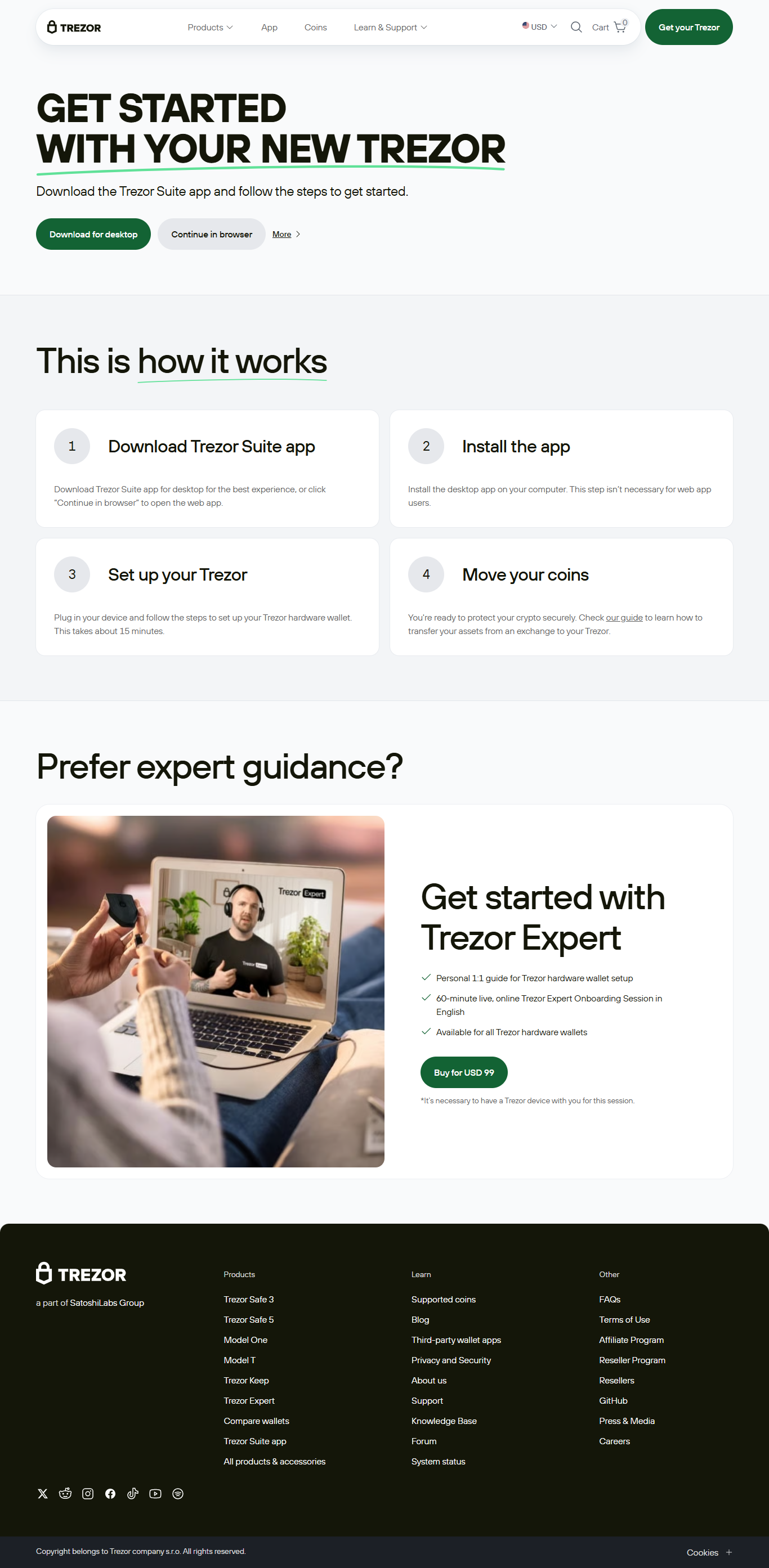
Trezor Bridge – Connect Your Hardware Wallet Securely
The Trezor Bridge is an essential piece of software that allows users to securely connect their Trezor hardware wallets to desktop and web applications. Developed by SatoshiLabs, Trezor Bridge acts as a communication layer between the Trezor device and wallet software like Trezor Suite, enabling seamless management of cryptocurrencies while maintaining the highest standards of security and privacy.
As cryptocurrency use continues to grow, the need for secure interaction between hardware wallets and computers becomes critical. Trezor Bridge ensures that users can safely access their funds, sign transactions, and manage a wide range of digital assets without exposing private keys or sensitive information.
What Is Trezor Bridge?
Trezor Bridge is a lightweight, standalone software that facilitates communication between your Trezor Model One or Trezor Model T and compatible applications. Unlike browser extensions or plug-ins, Trezor Bridge runs in the background, providing a secure channel for the hardware wallet to interact with wallet software.
Key functions of Trezor Bridge include:
Enabling secure USB communication between the Trezor device and computer
Allowing Trezor Suite and other compatible applications to access wallet functions
Ensuring cryptographic operations remain isolated on the hardware wallet
Trezor Bridge is compatible with Windows, macOS, and Linux, and is continuously updated to support the latest security standards and wallet features.
Security First Approach
Security is the cornerstone of Trezor Bridge. The software is designed to ensure that private keys never leave the hardware wallet and that all communication between the wallet and software is encrypted and verified.
Key Security Features
1. Hardware-Based Key Protection
All sensitive operations, including signing transactions, occur on the Trezor device itself. Trezor Bridge only transmits signed data, never private keys.
2. Encrypted Communication
Data transferred between the computer and the Trezor device via Trezor Bridge is encrypted, protecting users from interception or tampering.
3. Verified Software Updates
Trezor Bridge is regularly updated with cryptographic verification to prevent the installation of malicious versions.
4. Open-Source Transparency
The code for Trezor Bridge is open source, allowing independent security audits and ensuring transparency.
5. Phishing Protection
Unlike browser extensions, Trezor Bridge reduces exposure to phishing attacks by creating a secure local communication layer rather than relying on potentially compromised web environments.
How Trezor Bridge Works
Trezor Bridge functions as an intermediary between the hardware wallet and wallet software. Here’s how the process works:
Connect Trezor Device: Users connect their Trezor hardware wallet to a computer via USB.
Bridge Activation: Trezor Bridge detects the device and establishes a secure communication channel.
Software Interaction: Wallet software like Trezor Suite communicates with the hardware wallet through the bridge to retrieve public keys, account balances, and transaction data.
Transaction Signing: When sending cryptocurrency, the transaction data is transmitted to the Trezor device via the bridge, signed securely on the device, and then sent back to the software for broadcast.
This process ensures that private keys remain completely offline, enhancing the overall security of crypto transactions.
Supported Cryptocurrencies and Wallet Functions
Trezor Bridge supports all cryptocurrencies and tokens that are compatible with Trezor hardware wallets. This includes:
Bitcoin (BTC)
Ethereum (ETH) and ERC-20 tokens
Litecoin (LTC)
Cardano (ADA)
Solana (SOL)
Polygon (MATIC)
Dash (DASH)
Through Trezor Bridge, users can perform functions such as:
Viewing balances and account information
Sending and receiving cryptocurrency
Managing multiple accounts
Adding and managing tokens
Accessing advanced features like coin control and custom fees
Installation and Compatibility
Installing Trezor Bridge is straightforward:
Download: Obtain the latest version from the official Trezor website.
Install: Run the installer and follow the prompts to complete installation.
Connect Device: Plug in your Trezor hardware wallet to establish communication.
Trezor Bridge is compatible with major operating systems, including Windows 10 and above, macOS 10.12 and above, and most Linux distributions. Once installed, it runs in the background, automatically connecting Trezor devices when plugged in.
Why Trezor Bridge Is Important
Without Trezor Bridge, hardware wallets would not be able to interact securely with desktop or web-based wallet software. The bridge is crucial for:
Seamless User Experience: Ensures smooth communication between hardware and software
Enhanced Security: Keeps private keys offline while enabling necessary wallet functions
Compatibility: Supports a wide range of cryptocurrencies and third-party wallet applications
Reliability: Regular updates maintain performance and security standards
In short, Trezor Bridge acts as the backbone of secure hardware wallet operations.
Advanced Features for Power Users
While Trezor Bridge primarily operates behind the scenes, it enables several advanced features in wallet software:
Coin Control
Allows users to choose which unspent transaction outputs (UTXOs) to use, enhancing privacy and transaction management.
Custom Transaction Fees
Users can manually set network fees to control transaction speed and cost.
Multi-Account Management
Facilitates managing multiple accounts for the same cryptocurrency or different crypto assets.
Token Management
Supports adding and tracking custom tokens and ERC-20 assets securely through the Trezor device.
Desktop vs Web Use
Trezor Bridge is compatible with both desktop applications like Trezor Suite and web interfaces. While web access is convenient, the desktop application is recommended for maximum security.
Desktop Advantages:
Reduced phishing risk
Better performance and stability
Greater isolation from browser vulnerabilities
Seamless updates and integration with Trezor Suite
For users handling significant cryptocurrency holdings, the desktop environment with Trezor Bridge is the optimal choice.
Who Should Use Trezor Bridge?
Trezor Bridge is essential for anyone using a Trezor hardware wallet. It is particularly important for:
Long-term crypto investors seeking secure management
Privacy-conscious users
Traders managing multiple cryptocurrencies
Beginners using Trezor Suite for the first time
Users seeking seamless hardware-to-software integration
Essentially, any Trezor hardware wallet owner benefits from installing Trezor Bridge.
Why Choose Trezor Bridge?
Trezor Bridge is trusted and reliable, providing several key advantages:
Secure, encrypted communication with hardware wallets
Keeps private keys offline at all times
Enables advanced wallet features like coin control and multi-account management
Supports a wide range of cryptocurrencies and tokens
Open-source and auditable, promoting transparency and trust
Using Trezor Bridge ensures that your Trezor hardware wallet operates safely and efficiently, reducing the risk of hacks or unauthorized access.
Final Thoughts
The Trezor Bridge – Connect Your Hardware Wallet Securely is a critical tool for anyone using a Trezor hardware wallet. By providing a secure, encrypted communication channel between the wallet and desktop or web software, Trezor Bridge ensures that users can manage Bitcoin, altcoins, and tokens safely without ever exposing their private keys.
Whether you are a beginner exploring cryptocurrency or an experienced investor managing a diversified portfolio, Trezor Bridge is the essential connection that makes secure hardware wallet operations possible. Installing Trezor Bridge guarantees seamless integration with Trezor Suite and other compatible software, empowering users to transact, manage, and protect their digital assets with confidence.