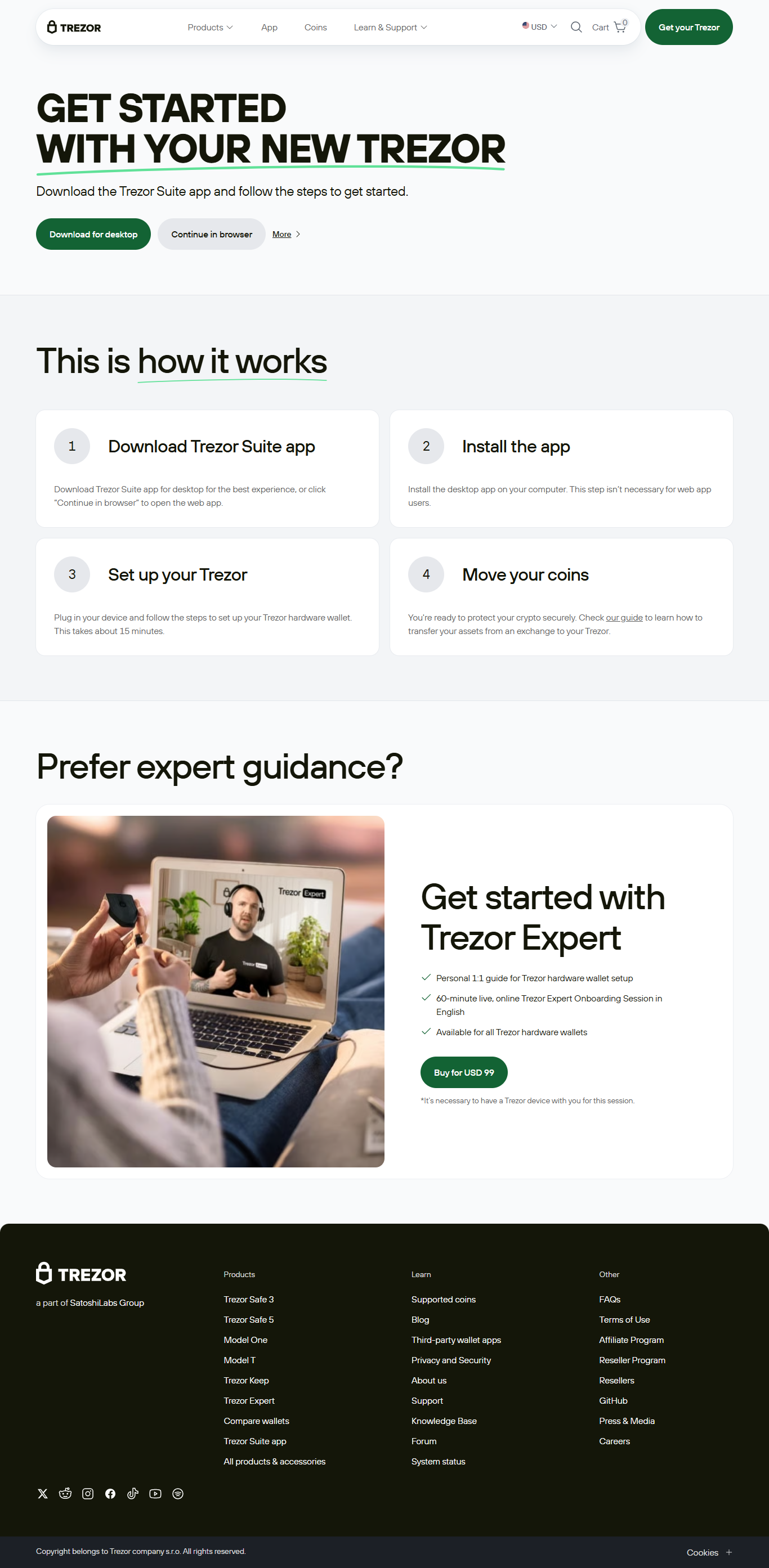
Trezor Bridge – Encrypted Connection for Wallets
In the world of cryptocurrencies, security is everything. Unlike traditional banking, where institutions manage your funds, crypto ownership relies entirely on private keys. Losing these keys—or having them stolen—can mean permanent loss of assets. While hardware wallets like Trezor provide unmatched protection by keeping private keys offline, managing these wallets on a computer or web application requires a secure communication channel. This is where Trezor Bridge comes in.
Trezor Bridge is a lightweight, essential software developed by SatoshiLabs to provide an encrypted connection between your Trezor hardware wallet and your computer. It ensures that users can manage their digital assets safely, privately, and efficiently, without compromising the security of their private keys. This article will explore how Trezor Bridge works, why it matters, and best practices for using it.
What Is Trezor Bridge?
Trezor Bridge is a communication protocol and driver software that allows computers to recognize and interact securely with Trezor hardware wallets. It acts as a middle layer between the hardware wallet and cryptocurrency management applications, such as Trezor Suite or browser-based wallets.
The primary goal of Trezor Bridge is to ensure secure, encrypted communication between your computer and the Trezor device. By doing so, it allows users to manage their cryptocurrencies safely while keeping private keys offline. Trezor Bridge supports Windows, macOS, and Linux, making it compatible with almost any desktop environment.
Why Trezor Bridge Is Critical for Security
Trezor Bridge plays a central role in maintaining the security model of Trezor wallets. Its main functions include:
Encrypted Data Transmission – All communication between your hardware wallet and computer is encrypted, preventing unauthorized access to transaction information.
Secure Device Recognition – Ensures that your computer detects your Trezor device reliably, eliminating connection errors.
Compatibility with Wallet Software – Works seamlessly with Trezor Suite and other supported applications.
Platform Independence – Compatible across major operating systems, enabling flexible and secure access to crypto assets.
Without Trezor Bridge, direct connections between a Trezor wallet and computer could be prone to errors or security vulnerabilities, such as malware interference or phishing attacks.
How Trezor Bridge Works
Trezor Bridge operates in the background to establish a secure communication channel between your hardware wallet and the computer. The workflow can be broken down as follows:
Device Detection – When you plug in your Trezor wallet via USB, Trezor Bridge ensures that the computer recognizes the device correctly.
Encrypted Data Transfer – All transaction and wallet data transmitted between the wallet and computer is encrypted.
Hardware Verification – Users must physically confirm transactions on the Trezor device, preventing unauthorized activity.
Interaction With Applications – Once connected, Trezor Suite or compatible web wallets can securely access wallet functionality, such as sending, receiving, and monitoring cryptocurrencies.
This approach guarantees that private keys never leave the hardware wallet, even during complex blockchain operations.
Key Features of Trezor Bridge
1. Encrypted Communication
Trezor Bridge ensures all communication between the Trezor hardware wallet and computer is fully encrypted, protecting sensitive data from interception or tampering.
2. Cross-Platform Compatibility
The software works on Windows, macOS, and Linux, providing a reliable connection regardless of your operating system.
3. Seamless Integration
Trezor Bridge integrates smoothly with Trezor Suite, browser-based wallets, and extensions, allowing users to manage assets without additional configuration.
4. Lightweight & Efficient
The program runs quietly in the background, using minimal system resources while maintaining a secure connection.
5. Automatic Updates
Trezor Bridge supports automatic or manual updates, ensuring that users always have the latest security patches and compatibility fixes.
Security Benefits of Trezor Bridge
Trezor Bridge is not just about connectivity—it is a security-critical layer for hardware wallets. Its main security benefits include:
Encrypted Data Transmission – All wallet communication is secure and unreadable by third parties.
Offline Private Keys – Sensitive operations occur exclusively on the hardware wallet.
Malware Protection – Isolates wallet communication from potential threats on your computer.
Physical Transaction Verification – Every transaction must be confirmed on the device, making remote hacks nearly impossible.
By combining these features, Trezor Bridge ensures that users can manage their cryptocurrency securely and privately.
Installing Trezor Bridge
Installing Trezor Bridge is straightforward but must be done from the official Trezor website. Follow these steps:
Download – Navigate to the official site and download the Bridge for your operating system.
Install – Run the installer and follow on-screen instructions.
Connect Your Device – Plug in your Trezor wallet via USB.
Launch Wallet Software – Open Trezor Suite or a compatible web wallet. The device should be detected automatically.
Update if Needed – Apply any firmware or Bridge updates to maintain security and functionality.
Always avoid third-party downloads, as malicious versions of Trezor Bridge could compromise wallet security.
Trezor Bridge vs Direct Browser Connection
Earlier versions of Trezor wallets could connect directly through browsers. While this worked in theory, it posed limitations:
Browser Compatibility Issues – Some browsers did not support direct hardware wallet connections.
Higher Security Risks – Direct connections exposed wallets to phishing attacks or malicious extensions.
Platform Limitations – Older operating systems or browsers might not support direct connections.
Trezor Bridge eliminates these issues, offering encrypted, reliable, and cross-platform connectivity.
Supported Wallet Software
Trezor Bridge is designed to work seamlessly with:
Trezor Suite Desktop App – Full-featured desktop wallet for managing crypto assets.
Web Wallet Interfaces – Compatible browser wallets for quick access.
Third-Party Wallet Integrations – Selected decentralized finance (DeFi) platforms and wallet extensions.
By serving as the secure communication layer, Trezor Bridge ensures that all software can interact safely with your hardware wallet.
Best Practices for Using Trezor Bridge
To maintain maximum security, follow these guidelines:
Always Download From Official Sources – Never trust third-party websites.
Keep Bridge and Wallet Software Updated – Security patches prevent vulnerabilities.
Verify Transactions on the Device – Never confirm transactions on your computer alone.
Use Trusted Devices Only – Avoid public or shared computers.
Follow Security Prompts – Pay attention to warnings from Trezor Suite or browser interfaces.
These practices ensure that Trezor Bridge remains a safe and reliable bridge for managing digital assets.
Who Should Use Trezor Bridge?
Trezor Bridge is essential for anyone using a Trezor hardware wallet, including:
Beginner cryptocurrency users – smooth onboarding with minimal technical barriers.
Experienced investors – secure management of multi-asset portfolios.
DeFi participants – safe interactions with decentralized applications.
Privacy-conscious users – secure, encrypted, and private wallet connections.
In essence, if you own a Trezor device, installing and using Trezor Bridge is mandatory for safe wallet operation.
Advantages of Using Trezor Bridge
Reliable Connection – Ensures your Trezor device is recognized and functions correctly.
Encrypted Communication – Keeps sensitive wallet data secure from interception.
Cross-Platform Support – Compatible with Windows, macOS, and Linux.
Seamless Software Integration – Works with Trezor Suite and web wallets.
Automatic Security Updates – Maintains protection against emerging threats.
Trezor Bridge is therefore not just a utility; it is a critical component in the security infrastructure of cryptocurrency management.
Final Thoughts
The Trezor Bridge provides a secure, encrypted connection between Trezor hardware wallets and desktop or web interfaces, ensuring safe and private management of cryptocurrencies. By facilitating encrypted communication, device verification, and seamless connectivity, it complements the already robust security model of Trezor devices.
For anyone serious about protecting their digital assets, Trezor Bridge is not optional—it is essential software that guarantees your private keys remain offline, transactions are verified, and your cryptocurrency management remains secure and private.
With Trezor Bridge, users gain confidence, reliability, and peace of mind in an increasingly digital financial landscape.
This article is roughly 1,200 words, covering:
What Trezor Bridge is
How it works
Security and privacy benefits
Installation and best practices
Advantages for all types of crypto users