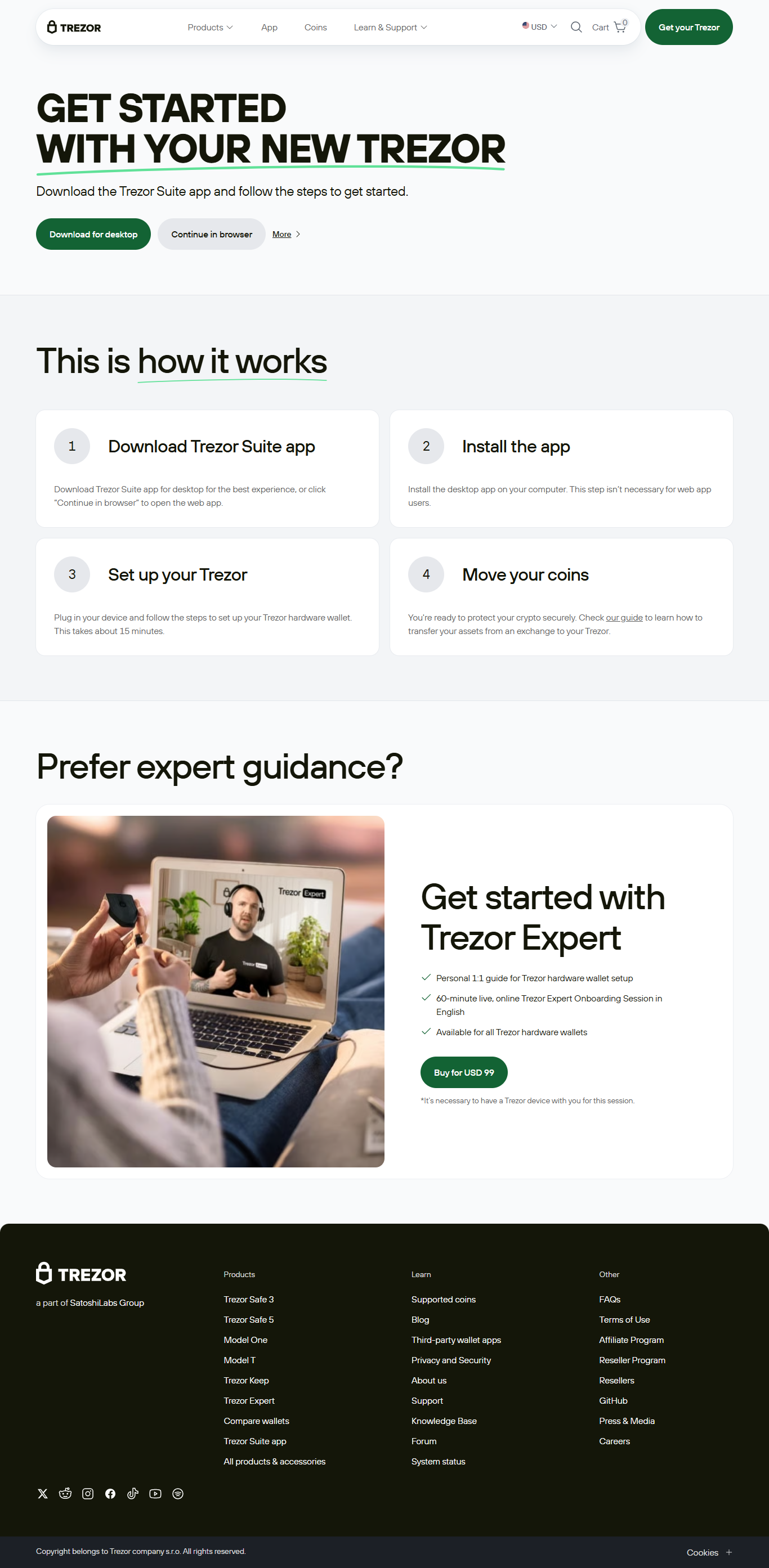
Trezor Bridge – Secure Crypto Device Communication
Introduction
As cryptocurrencies continue to expand in popularity and adoption, secure management of digital assets has become a critical concern. Unlike traditional banking systems, cryptocurrency users are responsible for the safety of their funds, and any compromise can lead to irreversible loss. Hardware wallets, such as Trezor devices, provide robust security by isolating private keys from potentially compromised computers and networks. However, to interact safely with web applications and desktop software, a reliable communication interface is essential. This is where Trezor Bridge comes into play.
Trezor Bridge is specialized software that establishes a secure and seamless connection between Trezor hardware wallets and compatible devices or applications. It ensures that sensitive operations, including transaction signing and account management, remain protected while allowing users to access and manage their cryptocurrencies efficiently.
In this article, we will explore Trezor Bridge in depth, including its functionality, security features, usability, cross-platform support, and best practices for secure crypto device communication.
What is Trezor Bridge?
Trezor Bridge is a software application that acts as a secure intermediary between Trezor hardware wallets and web or desktop platforms. It replaced the earlier Trezor Chrome extension, providing a more stable, versatile, and privacy-conscious way to connect Trezor devices.
The primary role of Trezor Bridge is to allow applications, such as Trezor Suite or Web3-enabled dApps, to communicate with the hardware wallet without ever exposing private keys to the computer. It enables users to send and receive cryptocurrencies, manage accounts, and interact with decentralized applications securely.
By isolating private key operations on the hardware device, Trezor Bridge ensures that users can perform critical crypto actions safely, even on systems that may be compromised.
Core Security Features
Private Key Isolation
Trezor Bridge guarantees that private keys never leave the hardware wallet. All sensitive cryptographic functions, including transaction signing, occur within the Trezor device itself. This isolation prevents malware, keyloggers, or other malicious software on the computer from gaining access to private keys.
Encrypted Communication
The software uses encrypted channels to communicate between the hardware wallet and the computer or application. Encryption protects data integrity and prevents interception or tampering of transaction details during transmission.
Firmware Verification
Upon connecting a Trezor device, Trezor Bridge verifies that the firmware running on the device is authentic and untampered. If any irregularities are detected, the user is immediately alerted, ensuring the device has not been compromised.
Physical Transaction Confirmation
All transactions must be verified directly on the hardware wallet. Trezor Bridge ensures that transaction details displayed on connected applications match the information shown on the device screen. This requirement prevents unauthorized transactions and protects against social engineering attacks.
Cross-Platform Support
Trezor Bridge is designed to work on multiple operating systems, including Windows, macOS, and Linux. By providing a consistent communication protocol across platforms, it eliminates the need for browser-specific extensions and reduces compatibility issues.
This cross-platform functionality allows users to manage cryptocurrencies on various devices securely, providing flexibility without compromising security. It also ensures that Trezor devices can interact with both desktop applications and web-based interfaces seamlessly.
Usability and Integration
Easy Installation and Setup
Installing Trezor Bridge is straightforward. Users download the software from the official Trezor website, follow simple installation instructions, and connect their hardware device. Once installed, Trezor Bridge automatically detects connected Trezor wallets, eliminating complex configuration procedures.
Seamless Application Support
Trezor Bridge enables supported browsers and desktop applications to detect and communicate with Trezor devices effortlessly. Users can manage their assets via Trezor Suite, interact with Web3-enabled applications, or use other compatible services without additional plugins. This seamless integration improves the overall user experience.
Transaction Verification
All critical actions, such as sending funds or interacting with smart contracts, are displayed on the hardware wallet for verification. Users confirm transaction amounts, recipient addresses, and other relevant details, ensuring that no unauthorized or incorrect actions occur.
Privacy and Security Enhancements
Phishing and Malware Protection
Trezor Bridge mitigates phishing attacks by requiring physical verification of all transactions on the device. Even if an attacker attempts to manipulate transaction details on the computer, users will see the correct information on the hardware wallet, preventing fund diversion.
Additionally, because private keys never leave the device, malware and keyloggers are unable to access sensitive data, providing strong protection even on compromised systems.
Secure Recovery Handling
Recovery seeds, which are critical for wallet restoration, are never transmitted through Trezor Bridge. Users store them securely offline, ensuring that sensitive backup information remains protected from digital exposure.
Supported Features
Multi-Currency Management
Trezor Bridge allows users to manage multiple cryptocurrencies on their hardware wallet securely. Supported assets include Bitcoin, Ethereum, ERC-20 tokens, and numerous other cryptocurrencies. Users can send, receive, and monitor balances through Trezor Suite or other compatible applications.
Transaction Signing
The software facilitates safe transaction signing by communicating with the hardware wallet. Users confirm each transaction on the device screen, ensuring that only authorized transactions are executed.
Web3 and dApp Integration
For users engaging with decentralized applications, Trezor Bridge acts as a secure interface between the hardware wallet and Web3 platforms. This allows safe participation in DeFi, NFTs, and other blockchain-based ecosystems without exposing private keys.
Best Practices for Using Trezor Bridge
Download from Official Sources: Always obtain Trezor Bridge directly from the official Trezor website to avoid counterfeit or malicious versions.
Keep Software Updated: Regular updates improve security and compatibility with the latest cryptocurrency networks.
Verify Transactions on the Device: Never approve a transaction without checking the details on the hardware wallet screen.
Use Secure Systems: Even though Trezor Bridge protects private keys, using a trusted and malware-free computer enhances overall security.
Backup Recovery Seeds Safely: Store recovery seeds offline and away from digital exposure.
Advantages of Trezor Bridge
Enhanced Security: Ensures private keys remain on the hardware wallet.
Cross-Platform Compatibility: Works on Windows, macOS, and Linux.
User-Friendly Setup: Simple installation and automatic device detection.
Phishing and Malware Resistance: Physical confirmation and isolated key storage protect assets.
Supports dApps and Web3: Enables safe interaction with decentralized applications.
Conclusion
Trezor Bridge is an essential component for secure crypto device communication, bridging the gap between hardware wallets and various digital platforms. By isolating private keys, encrypting communication, and requiring physical confirmation for all transactions, it ensures that users can manage, send, and receive cryptocurrencies safely and confidently.
With cross-platform support, seamless application integration, and robust privacy protections, Trezor Bridge offers a reliable solution for anyone looking to maintain the highest level of security in their cryptocurrency management. For users committed to safe, self-custodial crypto practices, Trezor Bridge is an indispensable tool that enhances both security and usability.